
For years, building a granny flat in Western Australia meant wading through council red tape, minimum lot sizes, and design rules that made the whole exercise feel more trouble than it was worth. That’s no longer the case. A wave of planning reform has quietly turned the humble granny flat into one of the most accessible ways to add income and value to a Perth property and plenty of homeowners still don’t realise how far the goalposts have moved.
Here’s what actually changed, what a granny flat can realistically earn, and how to work out whether the numbers stack up on your block.
First, the language: it’s an “ancillary dwelling”
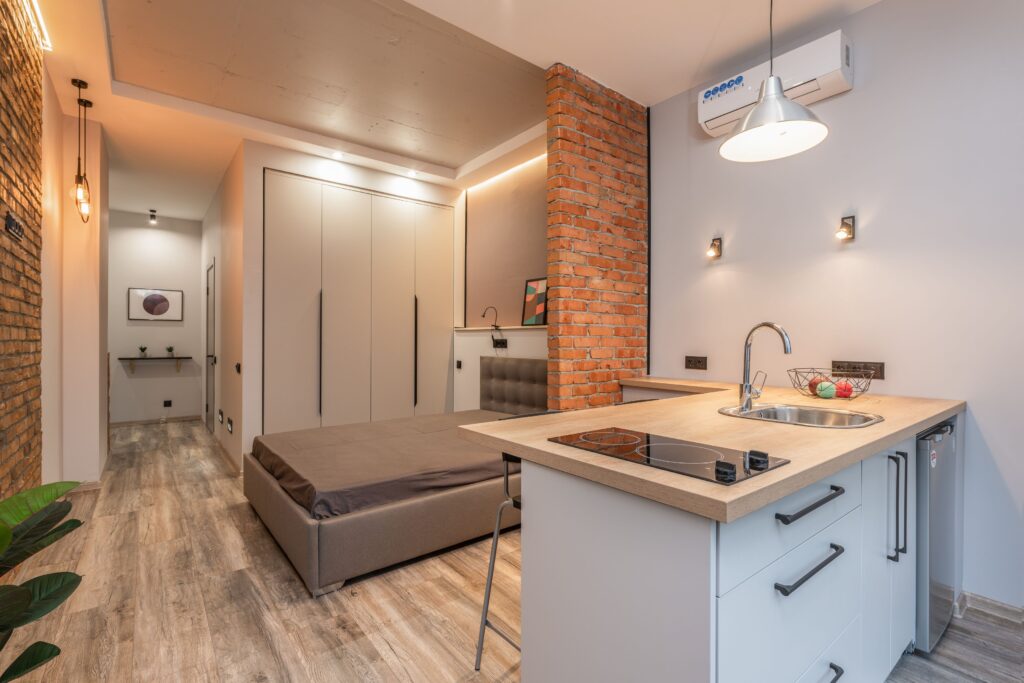
In WA, what most people call a granny flat is officially an ancillary dwelling, a self-contained second home on the same lot as your main house, with its own kitchen, bathroom, and entrance. The name matters because it’s the term councils and the Residential Design Codes (R-Codes) use, and it’s what you’ll see on every piece of approval paperwork. Get comfortable with it; it’ll save you confusion later.
What’s changed: the rules are far friendlier than they used to be
The biggest shift came through updates to the R-Codes, and the changes are substantial:
- No more minimum lot size. The old 350m² minimum has been scrapped. A compliant ancillary dwelling can now go on a block regardless of size, as long as it meets the standard requirements for setbacks, height, site cover, and privacy.
- No planning approval for compliant builds. If your granny flat is 70m² or under and ticks the deemed-to-comply boxes, you skip the development approval stage entirely and go straight to a building permit. That alone can cut weeks or months off the timeline one Perth investor recently had a build approved in around 12 business days.
- It no longer has to match your house. Earlier rules expected the granny flat to mirror the design, roof pitch, and materials of the main dwelling. That requirement has been wound back, giving you far more freedom and often a cheaper build.
- Parking rules relaxed. In higher-density zones and within walking distance of a train station or high-frequency bus route, you may not need to provide an extra car bay at all.
- More lot types qualify. Ancillary dwellings are now permitted on a wider range of properties, including many grouped dwellings and strata lots though survey-strata lots with common property are still excluded, so your title type matters.
- Anyone can rent it. WA dropped the old “family only” restriction some time ago. You can lease your granny flat to a tenant on the open market exactly like any other rental.
It’s worth a quick check of your local council’s position, because some are still aligning their schemes with the new codes, and a few will consider larger dwellings (up to around 100m²) where you add a dedicated car bay. But the direction of travel is clear: the state wants more of these built, and the approval path is the easiest it has ever been.

What it earns: the income side
This is the part that gets people’s attention. Across Perth, a well-built ancillary dwelling typically rents for somewhere between $350 and $600+ per week, depending on size, location, and finish. A studio sits at the lower end; a comfortable two-bedroom in a sought-after suburb pushes toward the top.
Against build costs that generally run from the high-$40,000s for a studio up to roughly $80,000–$110,000 for a larger two-bedroom, the returns can be genuinely strong. Because you already own the land, you’re only financing the structure which is why granny flats often show a much higher return on build cost than buying a separate investment property does. Rental yields in the 4–5% range on the overall property are common, and the return measured purely against the cost of the build can be considerably higher again.
A quick worked example makes it concrete. Say you spend $90,000 on a two-bedroom dwelling renting at $500 a week. That’s $26,000 a year in gross rent against your build cost, a gross return on the build of nearly 29%. Strip out rates, insurance, water, maintenance, management, and a few weeks of vacancy, and your net figure lands lower, but it’s still a return most asset classes can’t touch, on land you already own.
Two honest caveats. First, headline ROI figures from builders are almost always gross; they don’t subtract the running costs above, so build your decision around the net number. Second, Perth build costs tend to run roughly 10–15% below Sydney for an equivalent dwelling, which helps, but quotes still vary widely by builder and finish, so compare carefully.
There’s also the value angle. A second self-contained dwelling can lift your property’s overall worth and broaden its appeal to multigenerational families, downsizers, and investors alike. If you’re weighing a granny flat against starting fresh, it’s worth comparing it to a knock-down rebuild or even a purpose-built dual-key home design, which delivers two incomes under one roof and suits some blocks better.
Who a granny flat actually suits
It’s not the right move for everyone. A granny flat tends to make the most sense if you have spare land you’re not using, decent equity to draw on, and a suburb with real rental demand. It’s also a strong option for families wanting to house an ageing parent or an adult child now and convert to rental income later. If your block is tight, steeply sloped, or in a low-demand pocket, the maths can get marginal which is exactly why it pays to model the numbers before you commit.
Things to weigh up before you commit
- Your block’s specifics. Slope, existing trees, paths, drainage, and where your current house sits all affect what fits and what it costs.
- The finance. You’ll usually fund a granny flat by drawing on existing equity or adding to your loan. Knowing how much you can actually borrow before you fall in love with a design saves a lot of disappointment.
- The tenant market in your suburb. Check current granny-flat rents on the major listing sites rather than relying on a builder’s estimate.
- Who you build with. A fixed-price contract and a builder with a solid track record protect you from cost blowouts.
How The Property Plug helps
This is exactly the kind of project where having someone in your corner pays off. We work with property investors and owner-occupiers right across the Perth metro area to assess whether a granny flat genuinely stacks up on a given block and then to make it happen without the usual juggling act.
In practice that means sorting the finance side so you know your real budget upfront, matching you with a vetted builder for your custom home build, checking what government grants and incentives you might be eligible for, and guiding you through approvals from start to finish. If you’d like to see how the process works before committing to anything, that’s all laid out for you too.
Frequently Asked Questions
Do I need council approval to build a granny flat in WA?
If your ancillary dwelling is 70m² or under and meets the deemed-to-comply standards under the R-Codes (setbacks, height, site cover, privacy, and parking), you typically don’t need development approval and can go straight to a building permit. The usual exceptions are heritage-listed properties or designs that fall outside compliance, which still require formal approval.
How much does a granny flat cost to build in Perth?
Costs vary depending on size and finish. As a guide, studio granny flats start in the high-$40,000s, one-bedroom builds are usually in the mid-$60,000s, and larger two-bedroom dwellings typically range from $80,000 to $110,000. Site conditions, materials, and builder choice can all shift the final price, so a fixed-price quote matters far more than any “from” figure.
Can I rent out my granny flat to anyone?
Yes. Western Australia has removed the old restriction that limited occupancy to family members. A compliant ancillary dwelling can now be rented out on the open market to any tenant, just like a standard investment property.
Can I sell the granny flat separately from my house?
No. Not unless you subdivide the land. An ancillary dwelling is legally tied to the main property and cannot be sold independently under a standard title.
Can I build a granny flat if I still have a mortgage?
Usually, yes. Most homeowners fund granny flats using existing equity or by increasing their current home loan. The key step is confirming your borrowing capacity first so you don’t end up designing something your bank quietly refuses to fund later.
Ready to find out if the numbers work on your block?
The rules have never been more in your favour. The real question is whether a granny flat makes sense for your property and your goals. Let’s work that out together, with real figures, before you spend a cent on plans.
Book your free 15-minute strategy call and we’ll tell you straight whether it stacks up.