
One of the biggest surprises for first-time builders in Perth is discovering that you don’t hand over a big cheque and wait for the keys. Building a home is paid for in stages, with money released bit by bit as the work gets done. It’s a smarter and safer system than it first appears, but if nobody explains it, the cash flow can feel confusing and a little nerve-wracking. So here’s exactly how you pay for a new build, what comes out of your pocket versus your loan, and the rules that protect you along the way.
Building Is Paid in Stages, Not All at Once
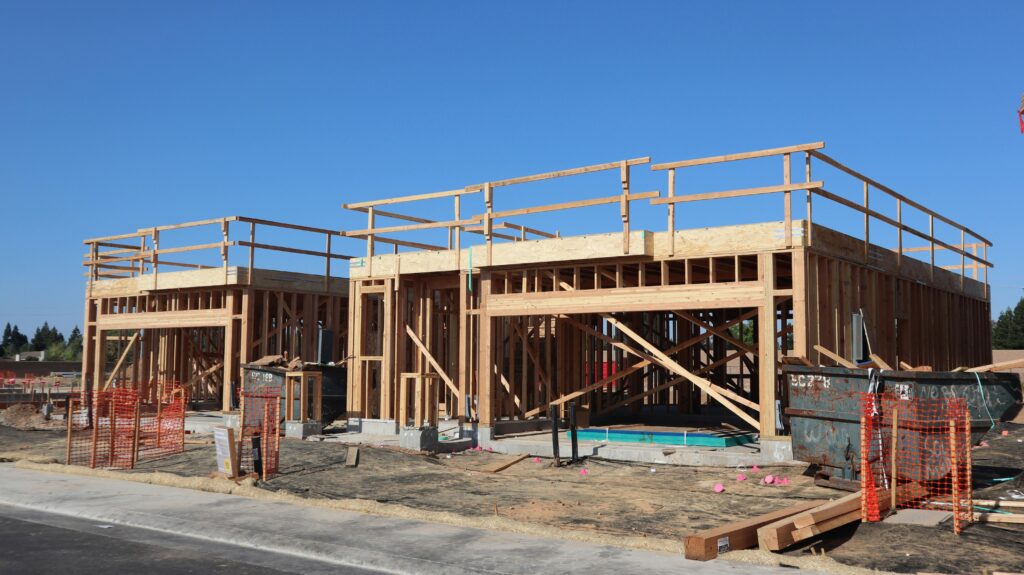
When you buy an established home, settlement is a single event. The money moves, the title transfers, and you get the keys. A new build works completely differently. You sign a fixed-price building contract, and the total price is broken into a series of progress payments tied to construction milestones. As your builder finishes each stage, they submit a claim, and a payment is released to cover that portion of the work.
This staged approach exists for a reason. It means you are never paying for a half-finished house in one lump, and your builder is never carrying the full cost of construction on their own books. Both sides are protected, and the risk is spread across the whole project rather than loaded onto day one. If you want the full picture of what building involves from start to finish, our step-by-step guide to building a house in Perth lays out every phase.
The Deposit Comes First
The first payment is your deposit, paid when you sign the contract. In Western Australia, the Home Building Contracts Act caps the deposit a builder can take at 6.5% of the contract price, and in practice most builders ask for around 5%. So on a $400,000 build contract, your deposit might sit somewhere around $20,000.
This is an important consumer protection. It stops builders from demanding huge upfront sums before a single brick is laid, which used to be a real problem. The deposit secures your slot in the builder’s schedule and covers early administrative and design work, but it is deliberately kept modest.
How a Construction Loan Actually Works
Here’s where building finance differs from a normal mortgage. With a standard home loan, the full amount is drawn at settlement and you start repaying principal and interest immediately. A construction loan is drawn down progressively, matching the progress payment schedule.
In plain terms, your lender does not hand you the full loan upfront. Instead, as each building stage is completed and the builder submits a claim, the lender releases that stage’s payment directly to the builder, often after a quick valuation or inspection to confirm the work is done. You generally don’t touch the money yourself, which removes a lot of stress.
The clever part is the interest. During construction you only pay interest on the amount actually drawn so far, and the loan is usually interest-only during this period. That means your repayments start small, when only the deposit and slab have been paid, and grow gradually as more of the loan is released. Once the home reaches practical completion and the final payment is made, the loan converts to a standard principal-and-interest mortgage. Understanding your true borrowing power before you start matters here, because the lender assesses you on the full end debt, not just the early drawdowns.
A Typical Progress Payment Schedule
Every contract is slightly different, and Perth’s double-brick construction can label stages a little differently from timber-frame builds in the eastern states. But a typical schedule looks something like this:
- Deposit (around 5%) paid on signing, to lock in your build slot.
- Base or slab stage (around 15%) once the footings and concrete slab are poured and ready.
- Walls or brickwork stage (around 25%) when the external walls are built up to plate height.
- Lock-up stage (around 20%) once the roof is on, and windows and external doors are installed, so the home is secure from the weather.
- Fixing or fit-out stage (around 25%) covering internal work such as plumbing, electrical rough-in, plastering, cabinetry, and flooring.
- Practical completion or handover (around 10%) the final payment, made once the home is finished and ready to live in.
These percentages are illustrative only. Your actual contract will spell out the exact stages and amounts, and you should read them carefully before signing. This is one of the things we check when we help clients compare builders, because a fair, clearly staged payment schedule is a sign of a well-run builder.
The Golden Rule: You Pay for Work Already Done
This is the single most important protection to understand. Under WA law, a progress payment can only be claimed for work that has actually been performed or for materials that have already been supplied. A builder cannot demand payment for bricks before those bricks are delivered to your site, or for a stage that hasn’t been completed.
If a builder ever asks for money ahead of the work, that’s a red flag, and paying it can affect your home indemnity insurance cover. The whole system is built around the principle that you pay for what you have received, never for what might be delivered later. Keeping to that rule protects your money if anything goes wrong mid-build.
What You Pay Out of Pocket Versus What the Loan Covers
A common question is how much cash you personally need versus what the loan handles. Generally, your own funds (your savings, plus any grant) go in first. Many lenders require you to contribute your share at the start, before they begin releasing loan funds at later stages. So your deposit and early costs often come from your pocket, and the construction loan covers the bulk of the build from the slab onward.
This is why building can be surprisingly accessible. Because the cost is staged and the loan is interest-only during construction, your holding costs while the house goes up are far lower than people expect. Pairing a build with a low-deposit pathway makes it more achievable again, which is exactly what our low-deposit home build options are designed around. If you don’t yet own land, a combined house and land package rolls the block and the build into one coordinated finance structure.
Smart Moves Before You Sign
A few habits make the whole payment journey smoother. Build a contingency buffer of a few per cent for variations and site costs, because surprises like rock in the ground or extra fill can add to the bill. Read the progress payment schedule line by line so you know what triggers each claim. And get your finance structured properly from the outset, ideally through someone who arranges construction loans regularly. Our custom home build service and finance brokering work hand in hand so the build schedule and the loan drawdowns line up neatly, rather than you discovering a mismatch halfway through.
Frequently Asked Questions
How much deposit do I need to start building?
Your builder’s deposit is capped at 6.5% of the contract price in Western Australia and is often around 5%. In addition, your lender will generally require a deposit toward the overall construction loan, although low-deposit lending options may reduce the amount of upfront savings needed.
Do I pay interest on the whole loan during construction?
No. Interest is only charged on the funds that have been drawn down during the construction process. Most construction loans are interest-only while the home is being built, with repayments increasing as each stage payment is released. Once construction is complete, the loan typically converts to principal and interest repayments.
Can my builder ask for payment before a stage is finished?
No. Western Australian building regulations only allow progress payments for work that has already been completed or for materials that have already been supplied. Requests for payment before the relevant stage is completed should be treated as a potential warning sign.
Who actually pays the builder at each stage?
In most cases, your lender pays the builder directly. After the builder submits a progress claim, the lender usually arranges an inspection or valuation to confirm the work has been completed before releasing the payment.
What happens to the loan once the house is finished?
After the final practical completion payment has been made, the construction loan generally transitions into a standard home loan. At that point, you begin making regular principal and interest repayments based on the final loan balance.
Ready to Build With a Clear Plan for Every Payment?
Progress payments aren’t complicated once someone walks you through them, but lining up the right builder, a fair payment schedule, and a construction loan that releases funds smoothly takes coordination. That’s what we handle for you, so you’re never guessing what’s due or when.
See how our process works from first call to handover, and if you’d like the grants and incentives that can offset your early costs, our government grants service covers what you can claim. When you’re ready, book your free 15-minute strategy call and we’ll map out your build and your finance side by side.