
If you’re researching a build a house in Perth timeline, one of the first things you’ll discover is that building takes longer than most people expect. Every buyer wants to know when they’ll get the keys, but the answer depends on factors such as land titles, approvals, construction methods, weather, and builder availability. While brochures often focus on best-case scenarios, a realistic build a house in Perth timeline is usually between 12 and 18 months for a standard home, and often longer for custom or double-storey builds. Here’s what to expect at each stage and the factors that can speed up or slow down your project.
The Realistic Answer: 12 to 18 Months, Often Longer
For most single-storey homes in Perth, the full journey from signing your contract to collecting the keys runs about 12 to 18 months. That figure covers both the pre-construction phase and the actual build. Double-storey and custom homes typically stretch longer, often landing in the 18 to 24 month range because of the added structural complexity and the extra detailing involved.
The construction phase on its own, once the slab goes down, usually takes somewhere between 8 and 14 months. What surprises people is that a big chunk of the total timeline happens before any building starts. The pre-construction phase alone can run four to eight months, and it’s where the most avoidable delays creep in. If you want the complete walk-through of what each phase involves, our step-by-step guide to building a house in Perth goes deeper on the detail.
Why Perth Builds Take Longer Than the Eastern States
One reason Perth timelines stretch is the construction method itself. Double-brick is the standard here, where most eastern-state homes use timber framing. Double-brick is more durable and offers better thermal performance, which suits the Perth climate, but laying two skins of brick simply takes more time than erecting a timber frame. It’s a trade-off: a slower build for a sturdier, more energy-efficient home.
The other factor is the broader market. The post-2020 construction crunch stretched Perth timelines dramatically as labour and materials ran short. Conditions have steadied since then, and planning reforms plus faster council approval pathways in some areas are helping, but build times remain longer than they were a decade ago. The smart move is to treat any timeline you’re quoted as optimistic and add a buffer.
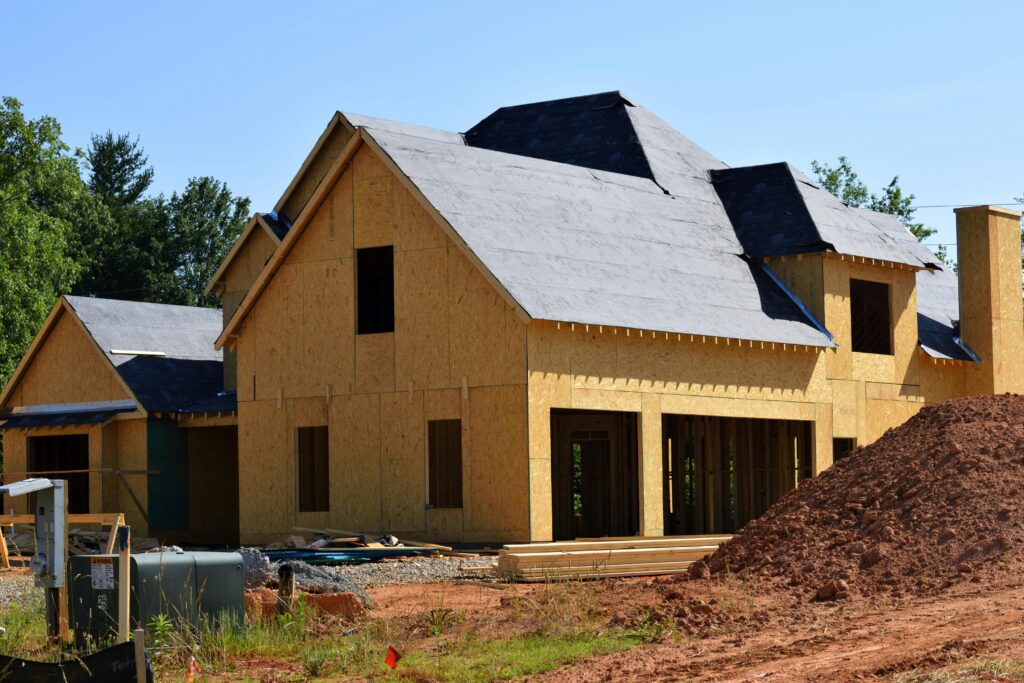
Stage One: Pre-Construction (Roughly 4 to 8 Months)
This is the part nobody photographs, but it sets the tone for everything. Pre-construction covers your design and selections, finance approval, securing land and titles, soil testing, and getting council and development approvals. Choosing finishes, fixtures, and layout changes can take two to three months on its own, especially if you’re customising a design rather than picking a standard plan.
Land is a common bottleneck here. If your block isn’t titled yet, you simply cannot start, and titles can be delayed for months by the developer’s civil works. Getting your finance sorted early and your block secured quickly is the single biggest thing you can do to compress this phase. Our land sourcing service exists partly to head off these delays by identifying blocks that are titled or close to it, and a coordinated house and land package keeps the land and the build moving in step rather than one waiting on the other.
Stage Two: Construction (Roughly 8 to 14 Months)
Once approvals are in and the contract is signed, the visible build begins. It moves through a fairly predictable sequence:
- Site works and slab. The block is cleared, levelled, and the concrete slab is poured. Site conditions like sloping land or poor soil can add time here.
- Brickwork and walls. The external walls are built up to plate height. In Perth’s double-brick builds this is a substantial stage.
- Roof and lock-up. The roof goes on and windows and doors are installed, sealing the home from the weather. This stage is vulnerable to Perth’s winter rain, which can stall outdoor work.
- Fit-out and fixing. The interior comes to life with plumbing, electrical, plastering, cabinetry, flooring, and painting. This is detail-heavy and rarely rushed without quality suffering.
- Practical completion. Final checks, fixes, and clean-up before handover.
A single-storey home often completes construction in around 12 to 16 weeks of active brick-and-roof work plus the longer fit-out, while double-storey homes run noticeably longer. Whichever path you choose, the quality of your builder’s scheduling and trade availability makes an enormous difference, which is why we vet for reliability when we help clients compare builders.
What Slows a Build Down
A handful of culprits cause most delays, and being aware of them helps you avoid them. Weather is the obvious one, with winter rain holding up slab pours, brickwork, and roofing. Trade and labour availability is another, particularly if your builder is juggling too many jobs at once. Mid-build variations are a self-inflicted favourite: every time you change your mind about a layout or finish after construction starts, you risk rework and delay. Council approvals, bushfire-prone-area assessments, and zoning overlays can extend the pre-construction phase. And of course, land titles outside your builder’s control can hold everything up before a single brick is laid.
A good rule of thumb is to add two to three months to any timeline you’re given. If the build comes in faster, that’s a pleasant surprise rather than a budget and rental headache.
Don’t Forget the Holding Costs
Timeline isn’t only about patience, it’s about money. While your home is going up, you’re often paying rent at the same time as interest on your land or your drawn construction loan. The longer the build, the more those parallel costs add up, which is why a realistic timeline matters for your budget and not just your calendar. The good news is that construction loans are usually interest-only during the build and you only pay interest on the funds drawn so far, so your holding costs stay manageable in the early stages and rise gradually. Building this into your plan from the start means a delayed slab pour or a rainy winter doesn’t catch your finances off guard. Staying in regular contact with your builder and asking for stage updates also helps you anticipate the next payment and the next milestone, so there are no surprises on either the timeline or the bill.
How to Build Faster Without Cutting Corners
You can’t control the weather, but you can control plenty else. Lock in your finance early so funding never holds up a stage. Choose a titled or near-titled block to avoid the land bottleneck. Finalise your design and selections before construction starts and resist changing them once trades are booked. And pick a builder with genuine capacity and a strong scheduling track record rather than the cheapest quote. If you already own a property you’re replacing, a knock down and rebuild can skip the land hunt entirely. For a fully tailored home, our custom home build service keeps the design and approvals phase tight so you’re not losing months at the start.
Building does take patience, but it also delivers a brand-new home with modern efficiency, fewer maintenance headaches, and the chance to claim grants and concessions that established homes miss out on. If you’re still weighing the wait against buying existing, our comparison of whether it’s better to build or buy in Perth is worth a read.

Frequently Asked Questions
How long does it take to build a single-storey home in Perth?
From contract signing through to handover, most single-storey homes in Perth take approximately 12 to 18 months to complete. This timeframe typically includes four to eight months of pre-construction work, followed by the active construction phase.
Why do double-storey homes take longer?
Double-storey and custom-designed homes generally take between 18 and 24 months to complete. Additional structural requirements, engineering complexity, and more detailed finishing work all contribute to a longer construction timeline.
Does Perth’s double-brick construction really add time?
Yes. Double-brick construction typically takes longer than the timber-framed building methods commonly used in Australia’s eastern states. However, it remains popular in Perth because of its durability, thermal performance, and suitability for local conditions.
What is the most common cause of build delays?
While weather conditions and labour shortages can cause delays, the most common avoidable issues are untitled land and design changes made after construction has commenced. Finalising your block and home design early can help keep the project on schedule.
Should I add a buffer to my builder’s timeline?
Yes. Allowing an additional two to three months beyond the builder’s estimated completion date provides a more realistic timeframe and can help reduce financial pressure if you’re renting, arranging a move, or paying interest on land during the build.
Ready to Start the Clock on Your Perth Build?
The fastest builds are the ones that start with everything lined up: finance approved, land secured, design locked, and a reliable builder booked. That’s exactly the groundwork we handle, so your timeline starts ticking the moment it should rather than stalling on avoidable delays.
Whether you’re a first home buyer or building your next place, book your free 15-minute strategy call and we’ll map a realistic timeline for your specific block, design, and budget, then get every piece moving in the right order.